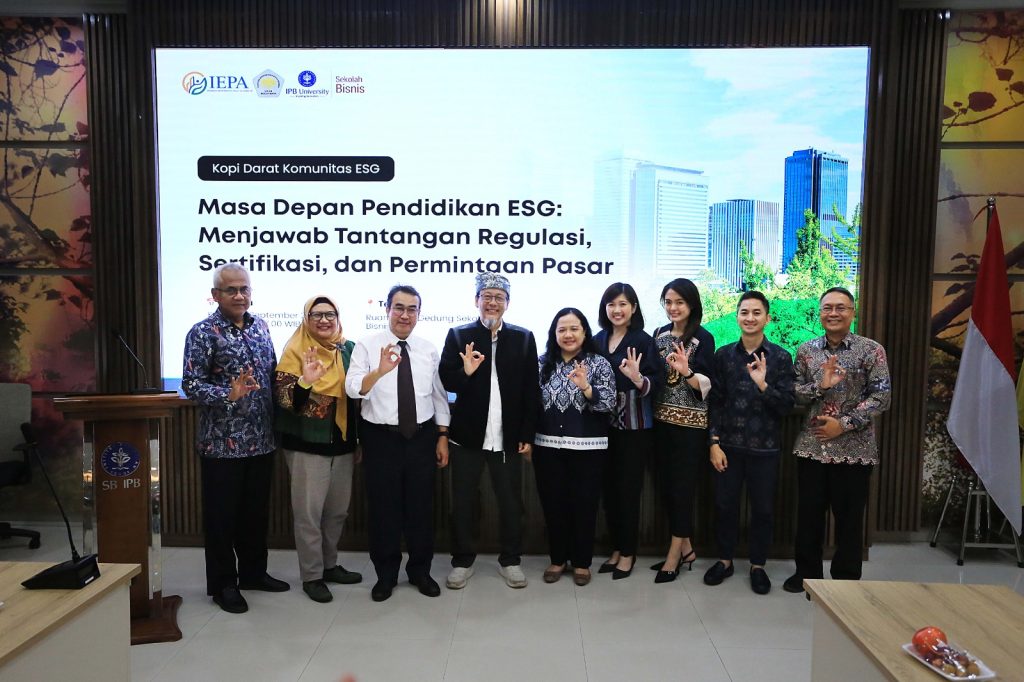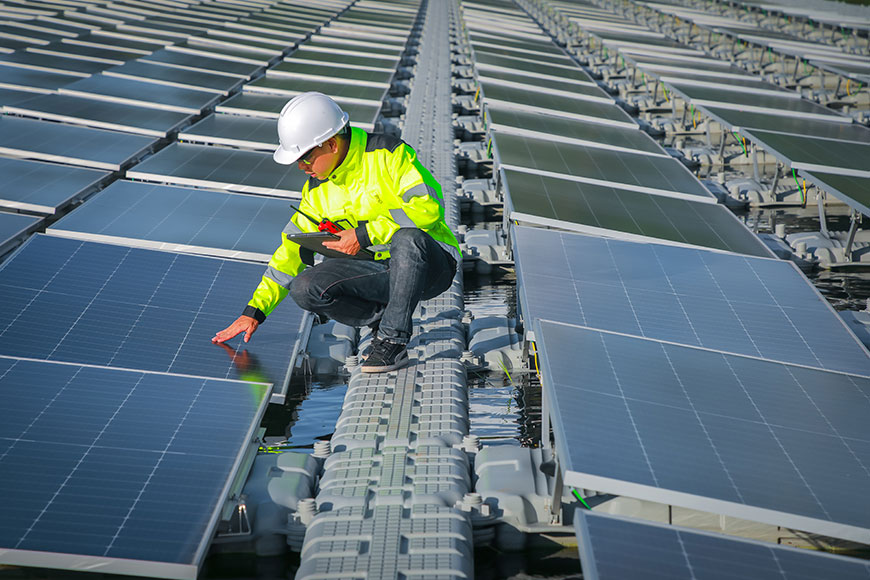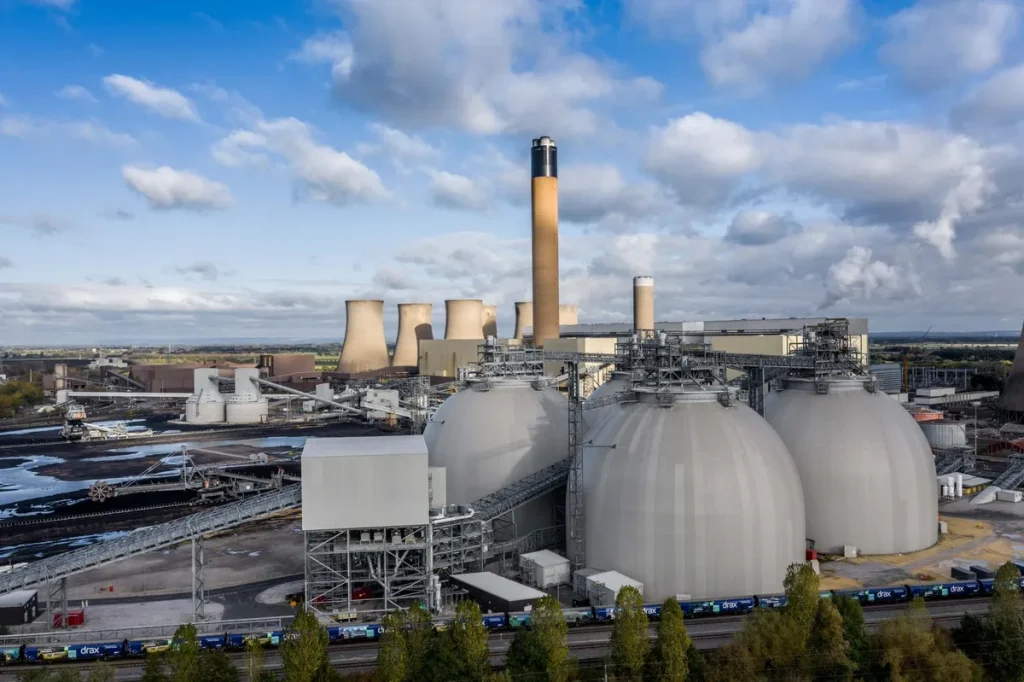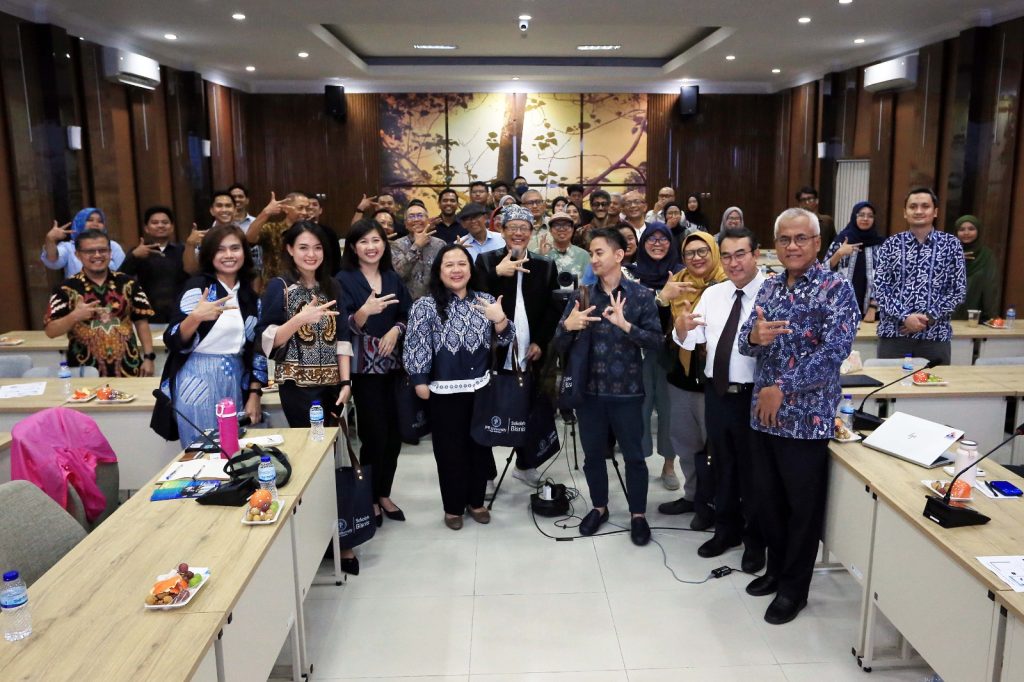
As sustainability becomes increasingly embedded in business, regulation, and market expectations, the demand for professionals with relevant ESG capabilities continues to grow. Yet, the growing demand also raises an important question: is Indonesia’s education system keeping pace with the capabilities businesses increasingly need to respond to ESG requirements?. This topic was discussed at Kopi Darat ESG 2026, an ESG Community Gathering organized by the Indonesian ESG Professional Association (IEPA) in collaboration with IPB Business School. The event was held on Thursday, 10 September 2026, from 14.00–17.00 WIB at Jati Room, IPB Business School Building, Bogor, bringing together perspectives from academia, industry, and ESG practitioners to discuss the future of ESG education in Indonesia. One of the speakers was Lenny Hidayat, our partner at Greenwise Consulting, who shared perspectives on how ESG education and professional development can respond to evolving regulatory and market needs.
Bridging ESG Education with Market Needs
In her discussion, Lenny highlighted that ESG cannot be separated from the realities of the market. In Indonesia, ESG adoption is increasingly driven by principals, exporters, and investors. This means that the demand for ESG capabilities is not only coming from regulatory developments, but also from global value chains, market expectations, and business requirements. For this reason, developing ESG talent requires more than simply introducing sustainability concepts. Education needs to build a relevant body of knowledge that connects global ESG developments with the specific context of market needs and business requirements.
Building ESG Capability from the Beginning
Lenny also emphasized the importance of understanding both global developments and Indonesia’s own trajectory.
As ESG continues to evolve, education and professional development need to prepare individuals who can understand sustainability from multiple perspectives while remaining relevant to local business and regulatory conditions. This aligns with the broader discussion at Kopi Darat ESG around the need for a multidisciplinary approach to ESG education. The presentation also highlighted how future ESG education can be supported through flexible academic pathways, regulatory alignment, and stronger connections between education and industry.
Among the approaches discussed were:
- Interdisciplinary Foundations
Building fundamental knowledge across sustainability, social issues, economics, and related disciplines. - Flexible Specialization
Developing specialized learning pathways that can respond to emerging ESG and industry needs. - Global & Regional Competencies
Strengthening international perspectives while maintaining relevance to Indonesia and the wider Asian region.
Preparing the Green Skills of the Future
The discussion also highlighted several capabilities that are expected to become increasingly relevant over the next five years, particularly at the regional level.
These include:
- Green Data Analysis & Measurement, Evaluation, and Reporting (MER)
- Sustainable Supply Chain Auditing
- Green Finance & Sustainability Consulting
- Sustainable Infrastructure & Environmental Engineering
- Environmental Policy & Stakeholder Engagement
Together, these capabilities reflect a broader shift in the sustainability landscape: Businesses increasingly need professionals who can translate ESG principles into data, strategy, investment decisions, operational practices, and measurable outcomes.
From Education to Professional Readiness
Another important point raised during the discussion was that ESG is no longer simply an emerging topic. It is becoming a professional field with growing demand for qualified talent. The challenge is therefore not only to create more ESG programs, but to ensure that education, certification, and industry requirements are connected. For businesses, this means developing internal capabilities and talent that are able to respond to changing regulations, stakeholder expectations, and market requirements. For educational institutions, it means creating learning pathways that remain relevant to the needs of industry. And for ESG practitioners, it means continuing to bridge the gap between knowledge and implementation.
Strengthening the ESG Talent Ecosystem
Kopi Darat ESG provided an important space for dialogue between education, industry, regulators, and sustainability professionals. For Greenwise Consulting, we believe that strengthening Indonesia’s sustainability ecosystem requires collaboration across these sectors. As our partner Lenny Hidayat shared at the event, understanding the direction of ESG development in Indonesia requires us to look not only at global trends, but also at the realities of the local market. The future of ESG will depend on how well we connect education, regulation, certification, industry needs, and capable people. Because ultimately, a sustainable future is not built by frameworks alone. It is also built by people who have the knowledge and capabilities to turn those frameworks into action.