When Indonesia launched its carbon exchange at the Indonesia Stock Exchange in 2023, it marked a serious institutional commitment to making carbon markets work not just as a financing mechanism, but as a genuine tool for meeting the country’s NDC targets of up to 43.20% emissions reduction with international support. What the launch could not resolve on its own, however, is the deeper question of whether the market will be trusted. That question sits at the intersection of governance, transparency, anti-corruption practice, and increasingly represents a critical foundation for the long-term credibility and effectiveness of a workshop Greenwise Consulting attended recently, organised by the Basel Institute on Governance in partnership with Transparency International under the UK’s FGMC programme.
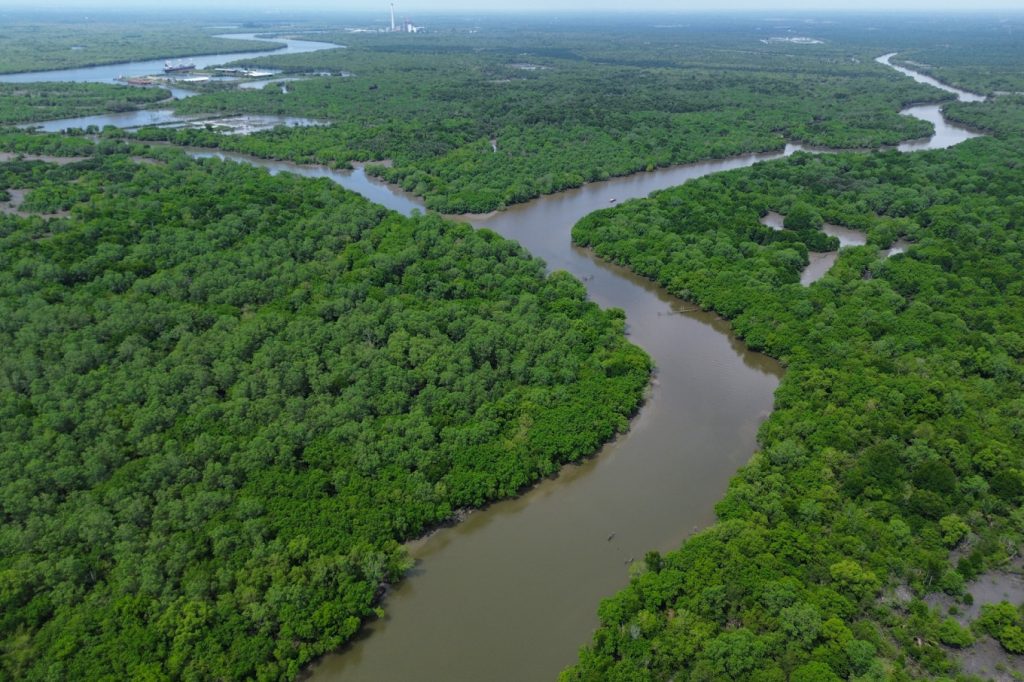
The workshop brought together a wide range of stakeholders working across Indonesia’s forest carbon sector, from project developers, independent auditors, government officials, and community advocates. Rather than presenting a set of findings for people to simply absorb, the workshop asked everyone in the room to actively map out where integrity risks could emerge across the project lifecycle. At what point in the journey from “forest protected” to “credit sold” does the chain of accountability get thin? Where are the handoffs that may lack oversight That collaborative approach produced something more comprehensive and actionable than any single expert’s view could.
What emerged from those conversations was a clearer picture of where the real vulnerabilities sit, not just in the technical measurement of carbon, but in the human and institutional dimensions that underpin market credibility: who gets to verify what, how communities are compensated, and what happens to a credit once it’s been sold. The participants worked through each risk at each project stage together, debating how likely it was and how serious the consequences would be, then agreed on practical steps to address the highest-priority ones.
Key takeaways for our practice:
- Value chain exposure: Integrity risks span every stage, from project design and MRV through to registry and trading.
- Quantified risk: The IRA matrix approach that scores likelihood vs. impact gives clients a defensible, prioritised view of where to prioritize governance actions and resource allocation.
- Community stakes: When local communities have a genuine stake in a project’s success, they become one of the strongest checks against misuse.
For us at Greenwise, this workshop reinforced that doing good work in forest carbon means more than getting the numbers right. The social and governance side who oversees the process, who benefits, who can raise a concern is just as important to whether a project remain credible and resilient over time. We came away with sharper tools for assessing those risks with our clients, and with a stronger network of people across the sector who are asking the same questions.