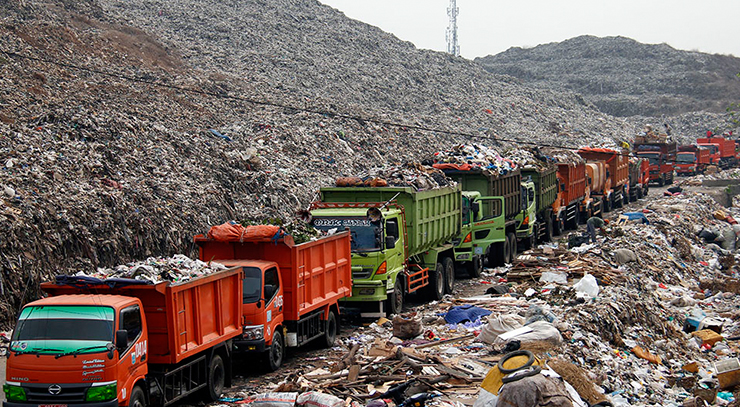
The Bantar Gebang Integrated Waste Management Site (TPST) is currently facing an operational capacity emergency. The accumulated waste at the site is projected to have reached a massive figure of around 55 million tons. Visually, the scale of this space crisis is deeply concerning, with the mountains of trash continuing to rise. This overcapacity triggers systemic risks that can no longer be ignored. Decades of open dumping practices culminated in a tragic waste landslide in early March 2026, which claimed lives and injured several people due to the structural failure of the waste pile to withstand gravity. From a sustainability and environmental risk management perspective, this fatal incident confirms that the conventional downstream management model is completely unviable to continue.
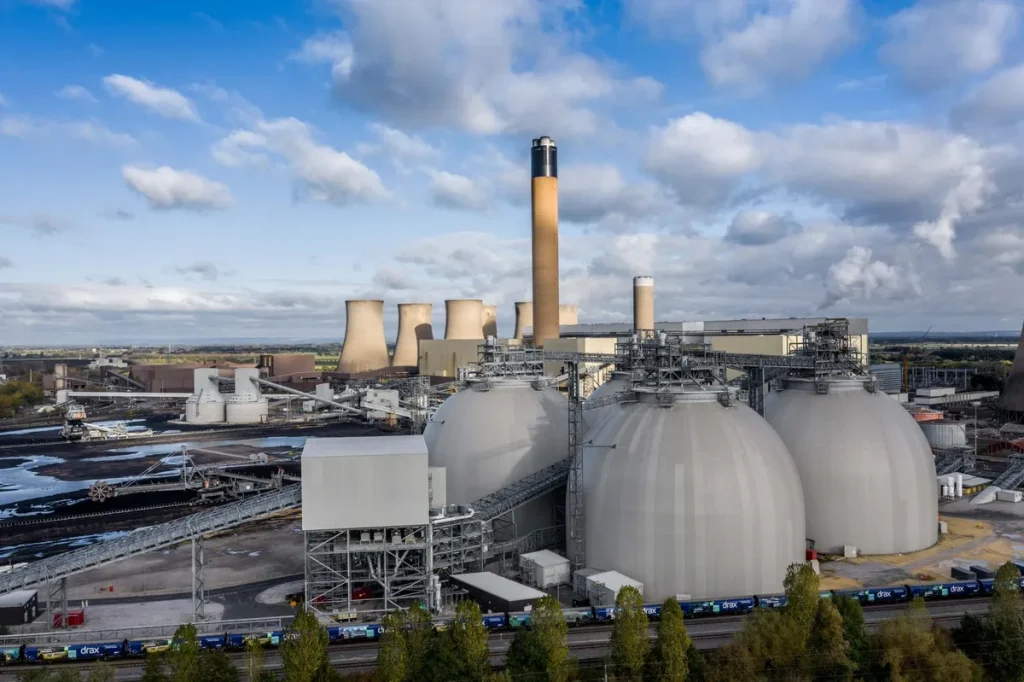
In response to the escalating crisis and this series of tragedies, the government is accelerating the implementation of a Waste-to-Energy (WtE) plant, locally known as PLTSa, to reduce the stockpile volume. The Jakarta Provincial Government plans to build a large-scale WtE facility in the Bantar Gebang area, estimated to require 8 to 10 hectares of land. This cutting-edge technology operates by processing solid waste through controlled thermal combustion, equipped with a high-standard emission filtration system to minimize air pollutants, while simultaneously converting the generated heat into electricity. If it proceeds according to plan, this massive installation will be able to absorb thousands of tons of daily waste and gradually reduce the existing 55 million tons, making it highly effective at preventing new pile elevations. Beyond volume reduction, the energy recovery from this facility creates tangible circular value, where hazardous residue piles are successfully converted into productive energy to support public activities.
From an Environmental, Social, and Governance (ESG) standpoint, the PLTSa installation is a crucial and urgent end-of-pipe intervention to prevent the collapse of urban sanitation infrastructure. However, relying solely on this technology without fundamental restructuring in the upstream sector is a long-term miscalculation. As long as industrial supply chains and public consumption patterns remain linear (produce-consume-dispose), any facility, no matter how large or advanced, will eventually hit land capacity limits. A true, holistic, and long-term solution must still rely on the implementation of a circular economy: material reduction at the source, innovations in recyclable packaging and product design, as well as stricter Extended Producer Responsibility (EPR). To realize this crucial transition, Greenwise Consulting stands ready as your strategic partner to help map your emissions footprint, design circular waste management systems, and integrate ESG principles to ensure your business remains resilient for the future.
Reference:
Kumparan (10 Maret 2026): “Pram Berencana Bangun PLTSa di Bantargebang, Butuh Lahfan 8-10 Hektare”